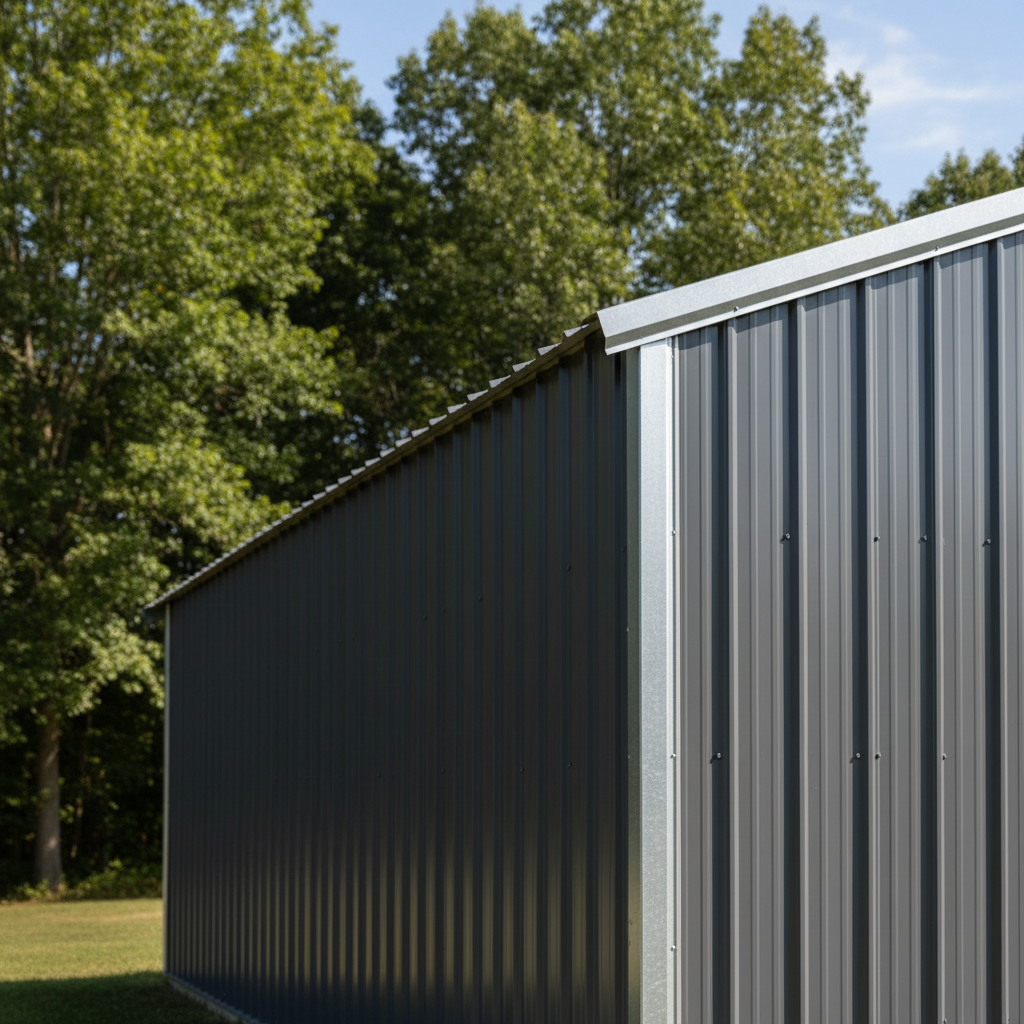
Alright, let's talk about pole barns. You've probably spotted them all over Kingsport, maybe even considered one for your own place. They're incredibly flexible, whether you need a workshop, some extra storage, or even a spot for your classic car collection. Folks around here ask me all sorts of questions, and while I've covered the basics before, those deeper concerns always pop up once you really start thinking about a project. So, I figured I'd tackle some of those less common, but super important, questions you might have.
What's the real difference between a pole barn and a stick-built garage when it comes to long-term value?
This is a big one, and honestly, it's not always as simple as people imagine. A traditional stick-built garage, especially one with a concrete foundation and matching your home's finishes, often gets seen as having higher resale value because it's 'conventional' construction. It connects to the home's look more directly. But here's the thing: a well-built pole barn, particularly one from a company like Omega Metal Buildings, offers incredible practical use and durability. If you're using it for serious storage, a workshop, or even an animal shelter, its functional value can easily outweigh the 'traditional' appeal of a stick-built. Buyers in our area, especially those with larger lots or specific hobbies, often see a high-quality pole barn as a huge asset. It really comes down to what the buyer needs. If they need a dedicated space for equipment, a pole barn can be a major selling point — sometimes more so than a smaller, less versatile stick-built structure.
How do you handle the unique soil conditions we have around Kingsport, especially in areas like Colonial Heights, when pouring concrete slabs for pole barns?
Ah, Kingsport soil. That's a fun one, isn't it? Especially when you get into some of those older neighborhoods or areas with more clay. We've got a mix of everything, from rocky fills to dense clay that can really hold water. When we're doing a concrete slab for a pole barn, we don't just show up and pour. First, we do a thorough site assessment. We're looking for proper drainage, soil compaction, and any signs of unstable ground. For clay-heavy areas, we often recommend a good layer of compacted gravel as a sub-base. This helps with drainage and provides a more stable, consistent surface for the concrete. We also pay close attention to proper grading around the perimeter of the slab to make sure water runs away from the foundation, not towards it. You definitely don't want water pooling up against your new barn, especially with our heavy spring rains. It's all about preparation; skimping there will cost you down the line.
What are the most common mistakes homeowners make when planning the layout or internal features of their pole barn?
I see a few recurring blunders. The biggest one is usually underestimating future needs. People think, 'I just need space for my tractor,' but then a year later, they've got a boat, an ATV, and a new woodworking hobby. Always plan for more space than you think you need right now. Another common mistake is not thinking about utility placement early enough. Where will your outlets be? Do you need 220V for a welder? Where's the water line going if you want a sink? It's much easier and cheaper to run those lines before the concrete is poured and the walls are up. Also, don't forget about natural light and ventilation. A few windows and a good ridge vent can make a huge difference in comfort and usability, especially during our hot, humid summers. Nobody wants a dark, stuffy barn, right?
Can I really finish out the inside of a metal pole barn to be a comfortable living space, or is it always going to feel like a barn?
Absolutely, you can. We've done plenty of projects where the inside of a pole barn is finished out beautifully. Think about it: once you've got your frame up, you can insulate the walls and ceiling just like any other structure. Then you can add drywall, flooring, plumbing, electrical – whatever you need. The key is good insulation, especially in our climate where we get both cold winters and hot summers. You'll want to consider a good vapor barrier too, to manage moisture. It won't 'feel' like a barn on the inside if it's properly finished. It'll feel like a comfortable, well-built room. The exterior might still look like a pole barn, but the interior can be anything from a cozy office to a full-blown apartment. It's all about the interior finishing choices you make.
What kind of long-term maintenance should I expect with a metal pole barn compared to, say, a wood-sided structure?
This is where metal really shines, in my opinion. Compared to a wood-sided structure that needs painting or staining every few years, a metal pole barn is pretty low maintenance. The exterior metal panels, especially if they're good quality with a decent paint finish, are designed to last decades without needing much more than an occasional wash. You'll want to keep an eye on your gutters if you have them, make sure they're clear of debris, especially after a storm. Check your roof for any signs of damage, though metal roofs are incredibly durable. The biggest thing is probably just keeping the area around the base clear of vegetation to prevent moisture issues or pests. You're not going to be scraping paint or replacing rotten siding every five years, and that's a big plus for busy homeowners.
How does the local Kingsport building department view pole barns, and what permits am I definitely going to need?
The Kingsport Building Department, like most municipalities, takes pole barns seriously because they are permanent structures. You're absolutely going to need permits. Don't even think about skipping this step; it'll cause you headaches and cost you more in the long run. Typically, you'll need a building permit, and depending on what you're doing inside, you might need electrical and plumbing permits too. If you're connecting to city water or sewer, there will be permits for that. The process usually involves submitting detailed plans, including site plans, foundation plans, and structural drawings. They'll review them to ensure everything meets local zoning ordinances and building codes. My advice? Get all your ducks in a row early. We can help you navigate this, but it's crucial to understand that it's a process, and it's there to ensure your pole barn is safe and up to code.
Look, building a pole barn is a big investment, and you want to get it right. These aren't just glorified sheds; they're substantial structures that add value and utility to your property. If you've got more questions, or if you're ready to start planning, don't hesitate to reach out. We're here to help folks in Kingsport build structures that last.