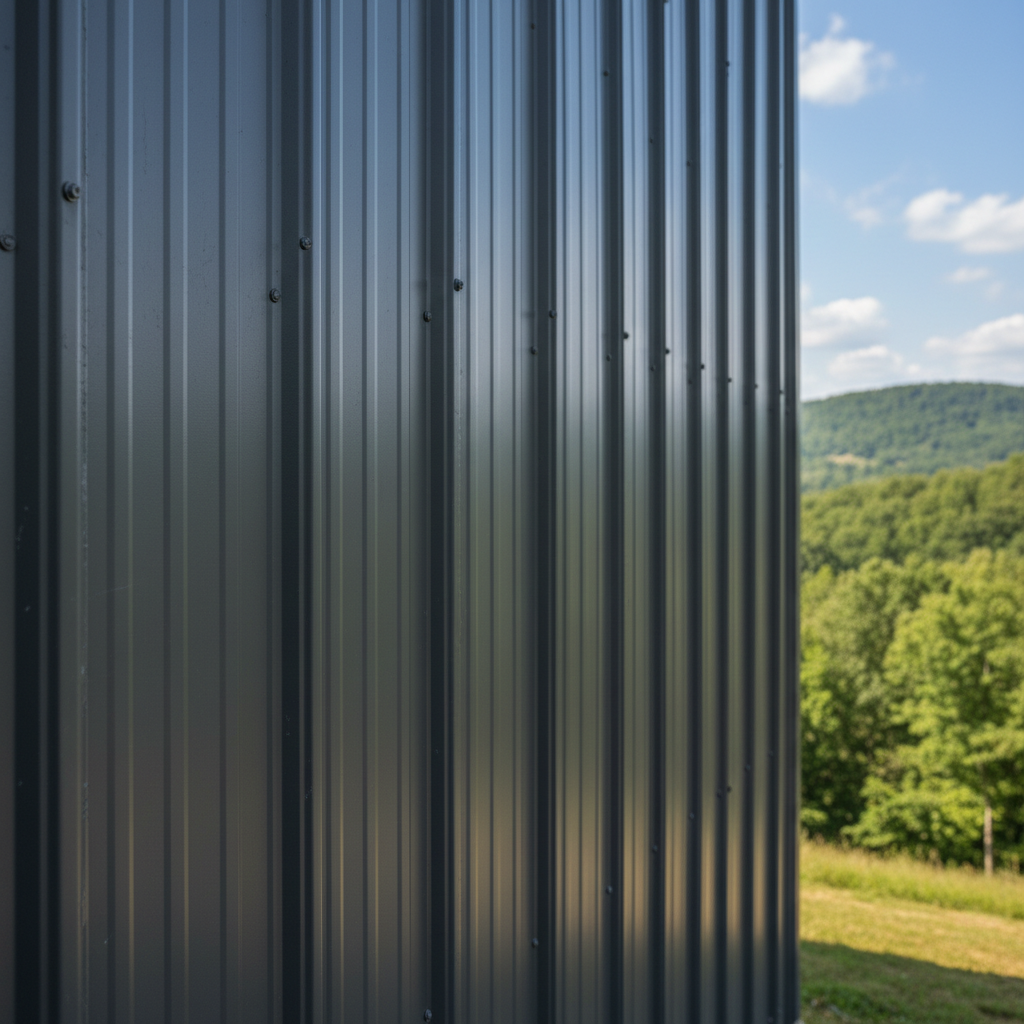
Alright, let's talk barndominiums. Seems like everyone's heard about 'em lately, and for good reason. They're tough, they can be super efficient, and you can really make them your own. But before you get too far down the road dreaming about that open-concept living space, let's get real about what it takes, especially if you're here in Kingsport.
Before You Even Break Ground
First things first: planning is everything. You can't just slap a metal building down anywhere and call it a home. You've got to think about permits. Here in Sullivan County, zoning and building codes are no joke. You'll need architectural plans, site plans, and a whole lot of paperwork. This isn't really a DIY job unless you're a licensed architect or engineer yourself. You'll want to hire a professional to draw up those plans and help you through the permit process. Trust me, trying to do this yourself usually ends up costing more in delays and corrections than just paying someone to do it right the first time.
Next, think about your land. Do you have a nice flat spot, or are you dealing with some of that Appalachian foothills slope we see a lot around here? Site prep is crucial. You'll need a solid foundation. Most barndos go on a concrete slab. While you might be tempted to pour it yourself, a proper slab for a house needs to be perfectly level, reinforced correctly, and poured in one go. If you mess this up, you're looking at foundation issues down the line, and that's a nightmare nobody wants. My advice? Get a reputable concrete contractor for the foundation. They've got the equipment and the know-how to do it right.
Budgeting is another big one. People often think barndos are super cheap. They can be more affordable than traditional stick-built homes, sure, but they're not free. Factor in the cost of the metal shell, the foundation, all your interior finishes, plumbing, electrical, HVAC, and those pesky permits. Don't forget about utility hookups either. Running water, sewer (or septic), and electricity to a new build site can be a significant expense.
During the Build: Where You Can Get Your Hands Dirty
Okay, so you've got your permits, your foundation is poured, and your metal building kit has arrived. This is where you can start to save some money if you're handy. Erecting the metal shell itself? That's usually best left to a crew with experience. Those beams are heavy, and you need specialized equipment and safety protocols. Omega Metal Buildings, for example, can get that shell up quickly and safely. But once the shell is up, that's where the DIY opportunities really open up.
Insulation is a big deal, especially with our hot summers and chilly winters. You can definitely install insulation yourself. Spray foam is popular for its efficiency, but it's a messy job and requires specialized equipment. Fiberglass batts or rigid foam panels are more DIY-friendly. Just make sure you get good R-value for our climate zone.
Framing out the interior walls is another task many homeowners can tackle. You're building non-load-bearing walls inside the metal shell, so it's less critical than structural framing. Take your time, measure twice, cut once, and make sure everything's plumb and square. This is a great way to save on labor costs.
Now, for plumbing and electrical: Unless you're a licensed plumber or electrician, you need to hire pros for this. Seriously. Bad wiring can burn your house down, and bad plumbing can flood it. Plus, you need these systems inspected and approved by the county. Don't skimp here. You can, however, do a lot of the rough-in work for things like running low-voltage wiring for internet or speakers, or even installing light fixtures and outlets once the pros have done the main hookups.
Finishing touches like drywall, painting, flooring, and cabinetry are all things you can absolutely do yourself if you have the patience and some basic skills. There are tons of online tutorials for these tasks. It'll take longer than hiring a crew, but you'll save a ton of money and get the satisfaction of knowing you did it yourself.
After the Project: Living in Your Barndo
Once you're moved in, the maintenance on a metal barndominium is generally pretty low. The exterior metal siding is durable and doesn't need painting like wood. You'll want to periodically check your roof and gutters, especially after a good storm, to make sure everything's clear and no damage has occurred. Keep an eye on your foundation for any settling, though if it was poured right, you shouldn't have issues.
One thing folks sometimes overlook is landscaping. A big metal building can look a bit stark without some thoughtful landscaping around it. Planting trees and shrubs can help with curb appeal and even provide some shade, which can reduce your cooling costs in the summer. This is definitely a DIY job, and you can take your time with it.
Ultimately, building a barndominium is a big undertaking, but it's incredibly rewarding. You can customize it to your exact needs, whether you want a huge workshop connected to your living space or just a unique, durable home. Just know where to draw the line between saving a buck and ensuring your home is safe, up to code, and built to last.